Commercial Real Estate Agents in Dubai: How to Choose the Right Broker ?

Choosing the right commercial real estate agent in Dubai is essential for making informed property decisions. This guide explores how to find reliable commercial property brokers, verify RERA licensing, evaluate market expertise, understand brokerage fees, and choose the right professional for buying, selling, or leasing commercial properties in Dubai.
Dubai's commercial real estate market offers a wide range of opportunities for businesses, entrepreneurs, and property investors. From modern office spaces in Business Bay to retail units, warehouses, and commercial investment properties, choosing the right location and property can significantly influence long-term business operations and financial performance.
However, finding suitable commercial property involves more than comparing rental prices or browsing available listings. Businesses must consider accessibility, permitted activities, lease conditions, property specifications, operational requirements, and the total cost of occupying or owning a space.
This is where commercial real estate agents in Dubai can provide valuable assistance. Professional commercial property brokers help businesses and investors identify suitable properties, compare market opportunities, arrange viewings, negotiate terms, and coordinate important transaction procedures.
Whether you are searching for an office, leasing a retail shop, purchasing a commercial property, or exploring investment opportunities, selecting the right broker is an important decision.
In this guide, Mahel Real Estate explains what commercial real estate agents do, how to evaluate their expertise, the factors to consider when choosing a broker, and the questions to ask before making a property commitment.
What Do Commercial Real Estate Agents in Dubai Do?
Commercial real estate agents in Dubai specialize in property transactions involving business premises and investment-oriented commercial spaces. Unlike residential agents who primarily assist with homes and apartments, commercial brokers focus on properties intended for business operations, leasing, or commercial investment.
Depending on their experience, licensing, and service offerings, commercial property agents may help clients with several aspects of a transaction.

1. Commercial Property Search and Selection
A commercial property broker helps businesses identify locations that match their operational requirements and budget.
For example, a company searching for office space may need a specific floor area, convenient transport connections, sufficient parking, and a layout suitable for employees and clients.
Similarly, a retailer may prioritize customer accessibility, storefront visibility, surrounding businesses, and local footfall. Rather than selecting properties based solely on advertised prices, an experienced agent should help clients evaluate whether a space meets their practical requirements.
2. Market Research and Property Comparison
Commercial real estate brokers may help clients compare asking rents, purchase prices, locations, building specifications, and available amenities. For investment properties, an agent can also assist in reviewing market rent assumptions, occupancy conditions, operating expenses, and potential resale considerations.
However, commercial property investments carry financial risks, and advertised rental yields should never be interpreted as guaranteed returns.
3. Property Viewings and Negotiation
Commercial real estate agents can arrange property inspections, coordinate communication with owners or landlords, and assist with negotiating transaction terms.
In commercial leasing, negotiations may involve rent, lease duration, rent-free fit-out periods, maintenance responsibilities, deposits, and renewal arrangements. For property purchases, negotiations may involve the purchase price, payment schedule, possession date, and applicable transaction conditions.
4. Documentation and Transaction Coordination
Commercial property transactions may require coordination with landlords, buyers, sellers, developers, banks, property managers, and government authorities.
An agent can assist with communication and documentation within the scope of their agreed services. However, complex legal, tax, technical, or financial matters may require advice from appropriately qualified professionals.
Types of Commercial Properties in Dubai
Dubai offers different commercial property categories, each serving distinct business and investment requirements. Understanding these property types can help buyers and tenants identify the kind of commercial real estate agent most suitable for their needs.

1. Office Spaces and Business Centers
Office properties are commonly sought by companies, professional service providers, consultants, and growing businesses. Dubai offers a variety of office configurations, including furnished offices, fitted offices, shell-and-core units, and larger corporate premises.
When evaluating an office property, businesses should consider:
- Location and proximity to clients
- Building access and parking
- Usable floor area and layout
- Internet and telecommunications infrastructure
- Building management and maintenance
- Fit-out requirements
- Permitted business activities
An experienced commercial real estate broker should help assess whether the proposed office supports the company's operational needs and applicable licensing requirements.
2. Retail Shops and Showrooms
Retail properties serve businesses such as clothing stores, electronics retailers, salons, cafés, and other customer-facing establishments. For retail businesses, location selection is particularly important because access, visibility, neighboring businesses, and the surrounding customer base can influence commercial viability.
A commercial property agent can help assess potential premises based on storefront exposure, floor area, foot traffic, parking, and suitability for the intended activity. Tenants should independently verify permitted uses, signage conditions, fit-out approvals, and any additional regulatory requirements.
3. Warehouses and Industrial Properties
Warehouses and industrial units are important for businesses involved in logistics, distribution, manufacturing, storage, and e-commerce operations. These properties require different considerations from traditional offices. Important requirements may include loading facilities, access for delivery vehicles, ceiling height, power supply, fire safety arrangements, and storage capacity.
A broker specializing in industrial commercial property can help businesses compare suitable locations and building specifications. For warehouses and industrial premises, businesses should verify zoning, permitted activities, and applicable regulatory approvals before entering an agreement.
4. Commercial Investment Properties
Some investors purchase commercial real estate with the objective of generating rental income or achieving long-term capital appreciation. Investment properties may include rented offices, retail units, commercial floors, and other eligible assets. Before purchasing, investors should examine tenant quality, lease duration, expected rental income, vacancy risk, maintenance expenses, service charges, and resale conditions.
A commercial real estate agent can assist with property selection and market comparisons, but investors should also consider independent legal, valuation, tax, and financial advice when appropriate.
Why Work With a Commercial Real Estate Broker in Dubai?
Working with a suitable commercial real estate broker can help businesses navigate a property market with different property types, contract structures, and location requirements.

1. Better Understanding of Commercial Locations
Dubai's business districts differ in accessibility, property specifications, building quality, permitted business activities, and rental costs. For example, Business Bay and Jumeirah Lakes Towers offer established mixed-use and commercial environments, while other districts serve different office, retail, logistics, or industrial requirements.
A knowledgeable broker should explain these differences and relate them to the client's actual requirements.
2. More Efficient Property Shortlisting
Searching through numerous commercial listings can be time-consuming, particularly when advertised information is incomplete or availability has changed. A broker can help narrow the options by considering floor area, budget, fit-out condition, location, parking, and other business needs. This can reduce unnecessary property viewings and help decision-makers focus on appropriate options.
3. Support During Lease or Purchase Negotiations
Commercial agreements may include obligations that have significant financial consequences. Beyond headline rent or purchase price, businesses should review service charges, maintenance responsibilities, payment schedules, renewal provisions, permitted use, and other applicable terms.
A commercial agent can facilitate discussions between the parties, while clients should obtain independent professional advice when contractual matters require it.
4. Guidance Through the Transaction Process
Commercial property transactions can involve several administrative steps, including inspections, document checks, agreement reviews, payments, and registration. A capable broker should explain which steps they will coordinate and identify any matters that must be handled by the client, relevant authorities, or independent advisers.
7 Factors to Consider When Choosing a Commercial Property Agent in Dubai
Selecting a commercial real estate broker requires careful evaluation of licensing, professional experience, market knowledge, and service quality. Here are seven important factors to consider before appointing an agent.
1. Verify RERA Licensing and Registration
One of the most important steps when choosing commercial real estate agents in Dubai is verifying their professional credentials. Dubai's real estate brokerage industry is regulated through the Dubai Land Department (DLD) and the Real Estate Regulatory Agency (RERA).
According to the DLD, real estate brokers must meet applicable licensing and registration requirements before conducting regulated brokerage activities. Before engaging an agent, request the company's registered name and the broker's relevant registration details.
You should verify these details through official Dubai Land Department channels, rather than relying solely on business cards, advertisements, or social media profiles.
2. Evaluate Commercial Property Experience
Not every licensed property agent has the same level of expertise in commercial transactions. Some professionals focus on residential sales, while others specialize in offices, retail properties, warehouses, or commercial investment assets. Before selecting a broker, ask about their experience with the property category you require.
For example, a business planning to lease a warehouse may benefit from an agent familiar with loading facilities, industrial areas, operational requirements, and relevant property restrictions. Similarly, a company searching for a fitted office should look for someone familiar with commercial building specifications and lease negotiations.
3. Check Knowledge of Dubai's Business Districts
Local market knowledge is an important factor when comparing commercial property agents. Dubai contains multiple business districts, each offering different facilities and advantages.
These are general area characteristics; the availability and permitted use of individual properties must be checked. A knowledgeable commercial broker should explain location-specific considerations rather than recommending the same area to every client.
For example, a company requiring convenient client meetings may prioritize accessibility and a professional office environment, while a logistics operator may need loading capacity and transport connectivity.
4. Review Property Listings and Specializations
Before choosing a commercial real estate agency in Dubai, examine the types of properties it handles. Review whether the agent has access to offices, retail units, warehouses, or other commercial properties matching your requirements. Ask whether listings are currently available and whether advertised areas, prices, and property specifications have been confirmed.
A reliable agent should provide sufficient information for meaningful comparisons and be transparent when availability or pricing has changed. You can explore Mahel Real Estate's property offerings to begin reviewing available property opportunities in Dubai.
5. Understand Brokerage Commission and Fees
Brokerage fees are an important consideration when selecting a commercial real estate agent. Commission arrangements may differ depending on the property type, transaction, parties involved, and agreed brokerage contract.
Dubai Land Department guidance identifies commission as an important term of the brokerage agreement. Therefore, businesses should request written clarification of the applicable fee rather than assuming one fixed commission rate applies to every commercial transaction.
Before proceeding, confirm:
- The commission rate or fixed brokerage fee
- Which party is responsible for payment
- Whether VAT applies
- The stage at which commission becomes payable
- Additional administration or service fees
- Exclusivity, cancellation, and renewal conditions
For commercial leases, distinguish brokerage fees from rental deposits, service charges, fit-out expenses, and other contractual costs. For commercial property purchases, also consider applicable registration charges, financing expenses, and ongoing property costs.
6. Evaluate Negotiation and Transaction Support
A commercial property broker should be capable of assisting with negotiations and coordinating the agreed transaction process. For example, when leasing an office, the broker may help discuss payment terms, lease duration, move-in conditions, and maintenance responsibilities.
For a commercial property purchase, the agent may assist with comparing offers, communicating with sellers, and coordinating relevant documentation. Clients should establish which services are included in the brokerage agreement and which require separate professional support. An agent's negotiation ability should be evaluated alongside transparency, responsiveness, and understanding of the client's business needs.
7. Assess Communication and Client Experience
Effective communication is essential when commercial property decisions involve several stakeholders. Business owners may need to coordinate with finance teams, operations managers, property owners, legal advisers, or company representatives.
A suitable commercial broker should provide accurate information, explain uncertainties, respond to questions, and communicate relevant developments. Before appointing an agent, consider whether they understand your requirements and provide practical recommendations rather than pushing unsuitable listings. Professionalism and clear communication can make the commercial property search and transaction process easier to manage.
Commercial Property Buying vs Leasing in Dubai
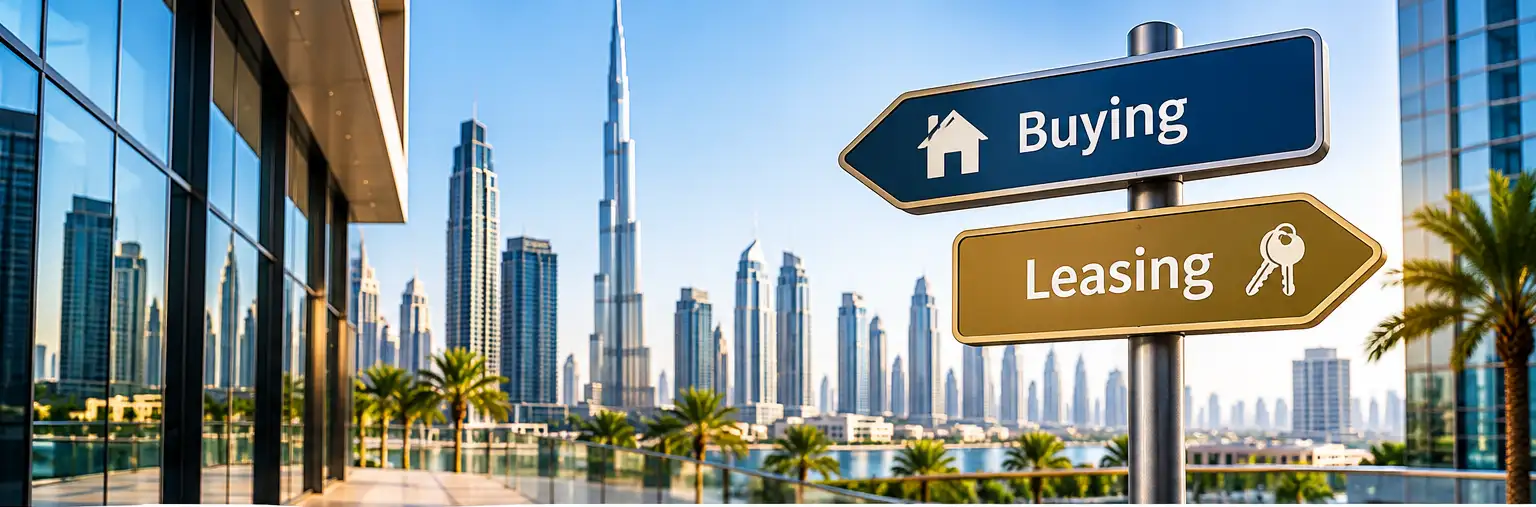
One of the most important decisions businesses face is whether to purchase commercial property or lease premises for their operations. Both options offer advantages, but the right choice depends on the company's financial position, business plans, operational requirements, and long-term objectives.
Buying Commercial Property in Dubai
Purchasing commercial property may appeal to established businesses and investors seeking long-term ownership. Potential advantages include greater control over the premises, the ability to build equity, and opportunities to generate rental income if the property is suitable for leasing.
However, buying requires a larger initial financial commitment and may involve registration fees, financing expenses, ongoing service charges, maintenance, and market risks. Businesses should also verify that the property can legally be purchased and used for their intended activities.
Leasing Commercial Property in Dubai
Leasing can provide greater flexibility for businesses that do not want to commit substantial capital to property ownership. For example, startups and expanding companies may prefer leasing office space while retaining funds for recruitment, equipment, marketing, and business operations. However, commercial tenants must carefully examine lease terms, renewal provisions, fit-out obligations, rent increases, and responsibilities for maintenance.
A qualified commercial property agent can help businesses compare available properties and understand the practical differences between purchasing and leasing.
However, the final decision should be supported by a realistic financial assessment and appropriate professional advice.
Questions to Ask a Commercial Real Estate Broker Before Hiring
Before appointing a commercial property broker, businesses should ask questions that clarify the agent's experience, responsibilities, and service arrangements. Here are some important questions to consider:
- Are you registered and licensed to provide real estate brokerage services in Dubai?
- What experience do you have with commercial properties similar to mine?
- Which business districts and property types do you specialize in?
- Are your advertised commercial property listings currently available?
- Can you explain the total leasing or purchasing expenses?
- What commission and additional charges will apply?
- Can you assist with negotiations and transaction documentation?
- What property specifications and permitted-use restrictions should I verify?
- Do you have experience handling transactions for businesses with similar operational requirements?
- What support will you provide after the agreement is signed?
Businesses should compare the responses of multiple agents before making a decision. A reliable commercial broker should be transparent about their experience, provide clear answers, and explain any limitations in their services.
Common Mistakes to Avoid When Choosing a Commercial Real Estate Broker
Choosing an unsuitable commercial real estate agent can lead to poor property recommendations, unexpected expenses, and complications during leasing or purchasing.

1. Selecting a Broker Based Only on Commission
Low brokerage fees can be attractive, but commission should not be the only consideration. Businesses should also compare professional experience, market knowledge, responsiveness, and the quality of transaction support. A lower fee may not provide good value if the agent cannot identify suitable commercial properties or explain important contractual conditions.
2. Failing to Verify RERA Licensing
Working with an unverified agent can create unnecessary risks. Before signing agreements or transferring funds, confirm the broker's licensing details using the official DLD Licensed Real Estate Brokers service. The DLD also provides a separate Licensed Real Estate Brokerage Companies directory.
3. Ignoring Commercial Property Restrictions
Not every commercial property is suitable for every business activity. A retail shop, office, warehouse, or restaurant may be subject to different permitted uses, building requirements, and regulatory approvals. Businesses should confirm that the premises support their intended operations before committing to a lease or purchase.
4. Overlooking Fit-Out and Maintenance Expenses
Businesses sometimes focus on rental prices without considering the costs of preparing a commercial space. Fit-out work can involve office partitions, electrical installations, air-conditioning modifications, furnishings, and other improvements.
Depending on the premises and jurisdiction, certain alterations may require approvals or permits. For example, the Dubai Development Authority's fit-out permit service applies to relevant works in areas under its jurisdiction. Businesses should clarify fit-out responsibilities, approval requirements, and reinstatement obligations before proceeding.
5. Signing Agreements Without Reviewing Terms
Commercial lease and purchase agreements may contain important financial and operational obligations. Before signing, review payment schedules, lease duration, renewal conditions, maintenance responsibilities, permitted uses, cancellation terms, and any applicable penalties. Where the agreement contains complex conditions, seek advice from an appropriately qualified legal professional.
Finding the Right Commercial Property With Mahel Real Estate
Finding suitable commercial property in Dubai requires a clear understanding of business objectives, property specifications, location preferences, and financial considerations. Whether you are looking for an office, exploring commercial investment opportunities, or evaluating business premises, comparing properties carefully can help you make a more informed decision.
At Mahel Real Estate, prospective clients can explore available property opportunities and enquire about assistance relevant to their requirements. When beginning your search, consider your preferred location, budget, property type, required floor area, and intended business activities.
Selecting appropriately licensed professionals and reviewing all relevant property and transaction information are important steps toward a successful commercial real estate experience.
Looking for commercial property in Dubai?
Visit Mahel Real Estate or contact us to explore property opportunities and connect with the team about your requirements.
Conclusion
Choosing the right commercial real estate agents in Dubai is an important step for businesses and investors seeking suitable office, retail, industrial, or commercial investment properties. A professional commercial broker should demonstrate appropriate licensing, relevant property experience, local market knowledge, transparent brokerage fees, and effective communication. Before appointing an agent, verify their credentials, examine their property specializations, compare their services, and clarify the terms of the brokerage arrangement.
Whether your objective is to lease business premises or purchase a commercial investment property, taking time to choose the right broker can help you evaluate opportunities more confidently and reduce avoidable complications.
With appropriate research, professional support, and careful planning, businesses can make commercial property decisions that align with their operational and financial objectives.
Frequently Asked Questions
1. What do commercial real estate agents in Dubai do?
Commercial real estate agents in Dubai assist businesses and investors with buying, selling, and leasing commercial properties. Their services may include property searches, market comparisons, viewings, negotiations, and transaction coordination.
2. What types of commercial properties do agents handle in Dubai?
Commercial property agents may handle offices, retail shops, showrooms, warehouses, industrial units, and investment properties. Their specialization depends on the agency's experience, licensing, and property portfolio.
3. How do I choose a commercial real estate broker in Dubai?
Choose a broker with verified licensing, relevant commercial property experience, local market knowledge, and transparent fees. Compare their property listings, communication standards, and transaction support before appointing them.
4. How can I verify a commercial property agent's RERA license?
You can verify a broker's registration through the Dubai Land Department's official Licensed Real Estate Brokers service or Dubai REST application. Confirm that the broker's details match the person and agency handling your transaction.
5. How much commission do commercial real estate brokers charge in Dubai?
Commercial brokerage commissions depend on the transaction and agreed contractual terms. Request written confirmation of the commission, applicable VAT, additional charges, and payment conditions before proceeding.
6. Can a commercial real estate agent help with office leasing?
Yes, commercial real estate agents can assist businesses with finding office premises, arranging viewings, comparing leasing options, and negotiating terms. They may also help coordinate relevant documentation within their agreed service scope.
7. Is it better to buy or lease commercial property in Dubai?
Buying may suit established businesses or investors seeking long-term ownership, while leasing offers flexibility and generally requires less initial capital. The better option depends on your budget, business plans, property requirements, and financial objectives.
8. What questions should I ask before hiring a commercial property broker?
Ask about RERA licensing, commercial property experience, available listings, commissions, and transaction support. You should also clarify how the broker verifies property information and assists with negotiations and documentation.
Related Posts

Elemental 78 Jumeirah Garden City: Ready-to-Move-In Nature-Led Luxury in Central Dubai
Discover Elemental 78 by Elemental Developments in Jumeirah Garden City—a completed boutique residence with 45 nature-led homes, rooftop wellness amenities, and current prices from approximately AED 1.58M.
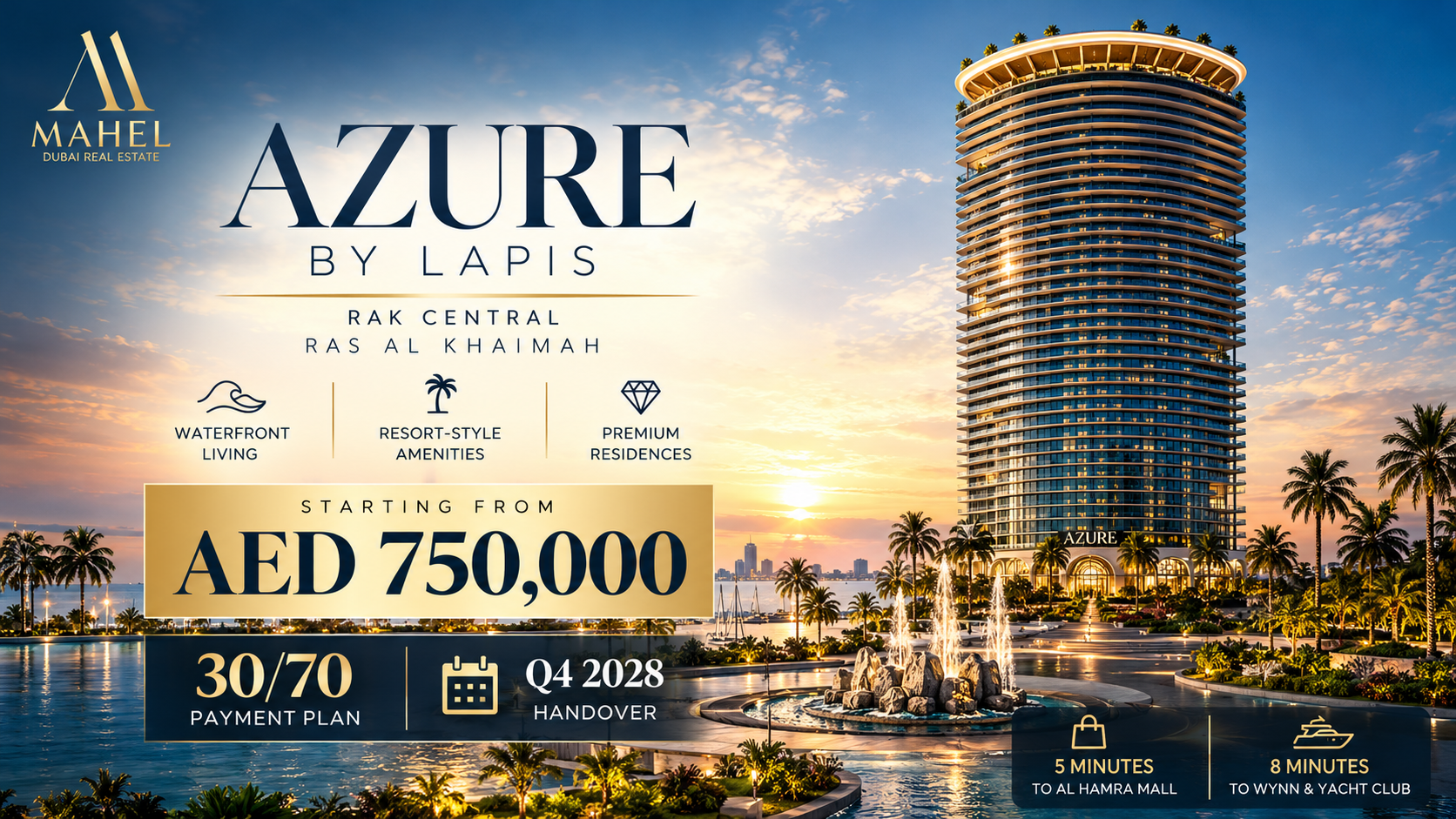
Azure by Lapis RAK Central | Waterfront Property Near Al Marjan Island
Discover Azure by Lapis in RAK Central, Ras Al Khaimah—luxury waterfront residences near Al Marjan Island and Wynn, with Gulf views, resort-style amenities, and Q4 2028 handover. Selected promotional units may be available from AED 750K with a 30/70 payment option.

How to Choose the Right Real Estate Agency in Dubai
Choosing the right real estate agency in Dubai is essential for a smooth property transaction. Discover how to verify RERA licensing, evaluate agency experience, compare brokerage fees, review customer feedback, and select a trusted property consultant for your buying, selling, or investment needs.